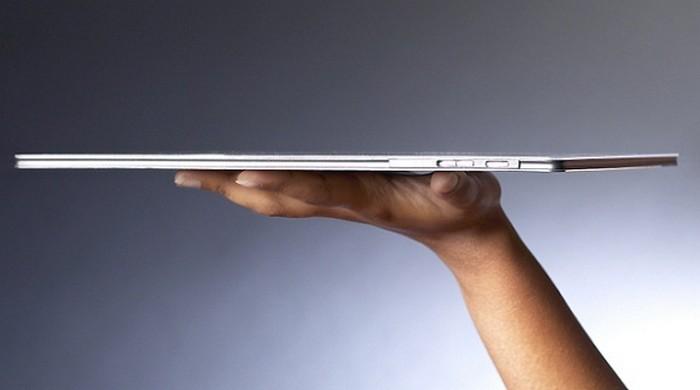
The Rise of Ultra-Thin Laptops: A Comprehensive Review
Uncover the features that set these devices apart, the advancements driving their popularity, and get insights into the future of ultra-thin laptop technology.
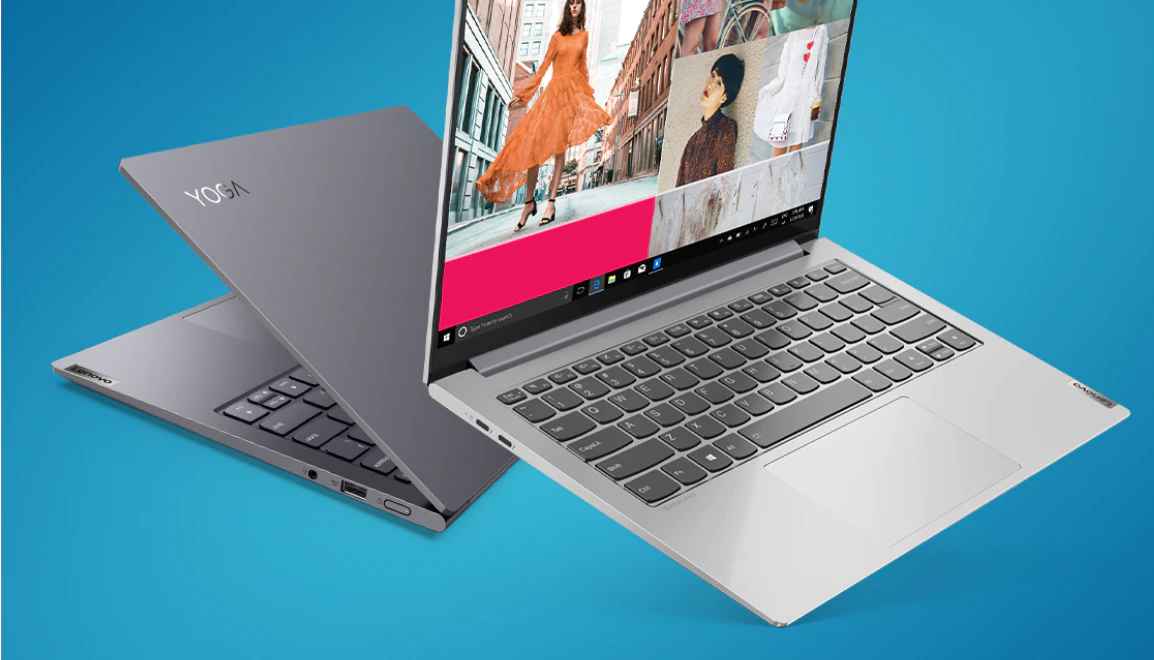
In recent years, there has been a significant shift in the laptop market towards ultra-thin designs, with manufacturers pushing the boundaries of portability without compromising on performance. These sleek and lightweight laptops have become increasingly popular, catering to users who prioritize mobility without sacrificing the power needed for demanding tasks. In this comprehensive review, we'll delve into the factors driving the rise of ultra-thin laptops and evaluate their impact on the computing landscape.
The Evolution of Ultra-Thin Designs:
1. Design Aesthetics:
One of the primary drivers behind the popularity of ultra-thin laptops is their sleek and modern design aesthetics. These laptops often feature aluminum or magnesium alloy bodies, thin bezels, and minimalist profiles that contribute to a premium and sophisticated look. As a result, they appeal to users who value both performance and style.
2. Portability and Mobility:
The most obvious advantage of ultra-thin laptops is their portability. With a focus on reducing weight and thickness, these devices are ideal for users who are always on the go. Whether you're a frequent traveler, a student moving between classes, or a professional attending meetings, the slim form factor of ultra-thin laptops enhances mobility without compromising functionality.
3. Improved Battery Life:
Advancements in battery technology have allowed manufacturers to create ultra-thin laptops with impressive battery life. The combination of energy-efficient processors and high-capacity batteries ensures that users can work or entertain themselves for extended periods without the need for frequent recharging. This feature further enhances the appeal of ultra-thin laptops for users who value productivity on the move.
Performance Considerations:
1. Processor Efficiency:
Ultra-thin laptops often incorporate energy-efficient processors that strike a balance between performance and power consumption. While they may not match the raw power of high-end gaming or content creation laptops, these processors provide ample horsepower for everyday tasks, multimedia consumption, and even some light to moderate productivity work.
2. Storage Solutions:
The rise of ultra-thin laptops has also seen an increased adoption of solid-state drives (SSDs). SSDs contribute to faster boot times, snappier application launches, and improved overall system responsiveness. The emphasis on SSDs not only enhances performance but also contributes to the compact design of these laptops.
3. Graphics Capabilities:
Ultra-thin laptops are not typically designed for intensive gaming or graphic-intensive tasks. However, the integration of integrated graphics solutions or lower-powered dedicated GPUs ensures that these laptops can handle casual gaming and multimedia tasks with ease. Users seeking top-tier graphics performance may need to consider more specialized laptop models.
Connectivity and Expandability:
1. Port Selection:
The slim form factor of ultra-thin laptops can sometimes limit the number and type of ports available. Manufacturers often prioritize essential ports such as USB-C, USB-A, and HDMI, while some may require adapters for legacy connections. Users should consider their specific connectivity needs and potential reliance on dongles or adapters.
2. Wireless Connectivity:
Ultra-thin laptops typically come equipped with the latest wireless connectivity options, including Wi-Fi 6 and Bluetooth 5.0. These features ensure fast and stable wireless connections, contributing to a seamless computing experience whether you're streaming content, video conferencing, or downloading large files.
Challenges and Considerations:
1. Thermal Management:
The slim design of ultra-thin laptops can pose challenges for thermal management. With less space for cooling systems, these laptops may experience thermal throttling under heavy workloads. Users engaged in resource-intensive tasks for extended periods may need to monitor thermals to maintain optimal performance.
2. Upgradeability:
Many ultra-thin laptops prioritize a compact and sealed design, limiting the options for user upgrades. Components such as RAM and storage may be soldered onto the motherboard, making it essential to carefully choose the desired specifications at the time of purchase.
The Future of Ultra-Thin Laptops:
As technology continues to advance, the future of ultra-thin laptops looks promising. Anticipated trends include:
1. Further Reduction in Bezels:
Manufacturers are likely to continue reducing bezels, allowing for larger displays within the same physical footprint. This trend enhances the visual experience while maintaining the portability of ultra-thin laptops.
2. Enhanced Processing Power:
Advancements in processor technology will likely result in more powerful yet energy-efficient CPUs for ultra-thin laptops. This will address the performance needs of users who require a balance between portability and computing power.
3. Innovative Cooling Solutions:
To overcome thermal challenges, future ultra-thin laptops may feature innovative cooling solutions. This could include improved heat dissipation materials, vapor chamber cooling, or other technologies to maintain optimal performance under heavy workloads.
In conclusion, the rise of ultra-thin laptops has reshaped the laptop market, offering users a compelling combination of style, portability, and performance. While these laptops may not be suitable for every use case, they cater to a growing segment of users who prioritize mobility and a modern design aesthetic.
As technology continues to evolve, ultra-thin laptops are likely to become even more versatile and capable, meeting the diverse needs of users in an increasingly mobile and connected world. Whether you're a professional on the move, a student on campus, or a creative individual seeking a sleek computing solution, the appeal of ultra-thin laptops is undeniable.
Stay tuned for further innovations in the ultra-thin laptop space, as manufacturers continue to push the boundaries of what is possible in the pursuit of the ultimate blend of form and function.